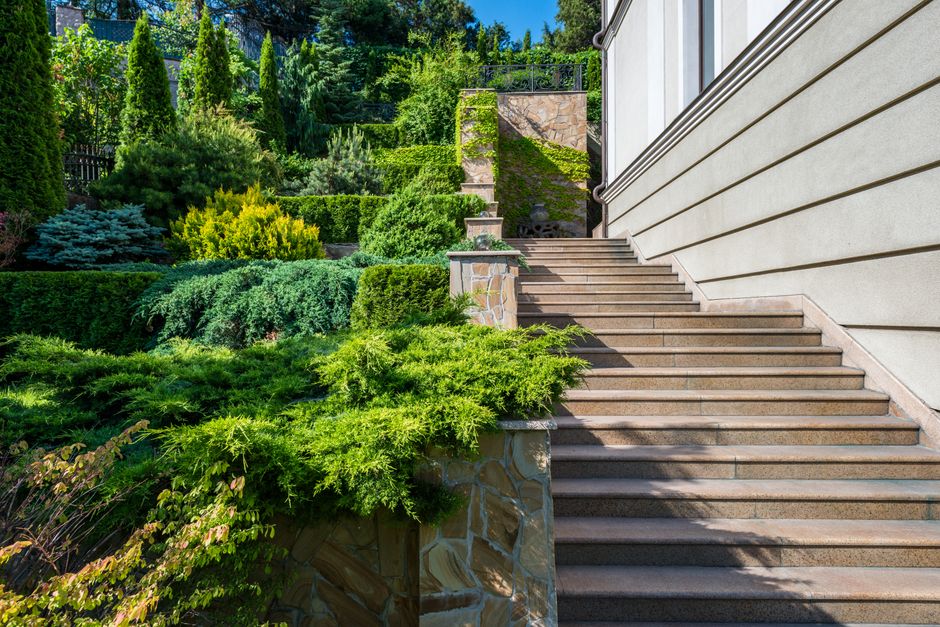
Why Ruxley Gardeners Charge More for Steep Access Jobs
If you have ever looked at a sloping back garden, a narrow side passage, or a terraced plot and wondered why the quote suddenly climbed, you are not alone. Why Ruxley gardeners charge more for steep access jobs comes down to a mix of safety, time, equipment, and the simple reality that awkward access changes the whole job. What looks like a tidy afternoon of hedge trimming can turn into a careful, slow, two-person operation with extra handling and a bit more planning. To be fair, that is rarely obvious from the first glance.
This guide explains the pricing logic in plain English. You will see what makes steep access more demanding, how gardeners usually price it, where the hidden costs come from, and how to tell whether a higher quote is fair. I will also cover useful questions to ask before booking, common mistakes homeowners make, and a practical checklist to help you compare quotes with a cool head, not a rushed one.
Table of Contents
- Why steep access matters for garden pricing
- How steep access jobs are priced and delivered
- Key benefits and practical advantages
- Who this is for and when it makes sense
- Step-by-step guidance for homeowners
- Expert tips for better results
- Common mistakes to avoid
- Tools, resources and recommendations
- Law, compliance, standards and best practice
- Options and comparison table
- Case study or real-world example
- Practical checklist
- Conclusion
- Frequently asked questions
Why Why Ruxley gardeners charge more for steep access jobs Matters
Steep access changes the economics of a garden job in a very real way. A flat, open lawn lets a gardener move tools quickly, park near the work area, and finish with less physical strain. A steep path, steps, retaining wall, or sloping rear boundary creates friction at every stage. Materials have to be carried rather than wheeled. Cuttings may need repeated trips. Machines may not be suitable. And if the weather turns greasy, the surface becomes more than awkward; it becomes a slip risk.
That is why local gardeners often build a surcharge into steep access work. It is not a random add-on. It is a reflection of extra labour, more time on site, greater risk of damage, and the possibility that the job needs additional crew or specialist handling. In practical terms, the price covers the reality that the same task can take noticeably longer than it would on level ground.
There is also a reputational angle. A professional gardener does not just want to finish the job. They want to finish it safely, neatly, and without turning your path, fence line, or planting bed into a mess. If you have ever watched a wheelbarrow struggle on a wet incline, you will know the feeling. It is one of those moments where everyone quietly agrees: yes, this is harder than it looked.
Expert summary: Steep access is usually priced higher because it reduces efficiency, increases manual handling, raises safety risk, and can demand more careful setup and supervision. The extra charge is often about protecting people, property, and the quality of the finish.
For homeowners comparing services, this matters because it separates a fair specialist quote from a generic one. A quote that ignores access complexity can look cheap at first, then swell later through extras or rushed work. If you want to understand the wider context of service standards and operational planning, pages like about us and health and safety policy can help show how a professional service approaches site conditions and risk.
How Why Ruxley gardeners charge more for steep access jobs Works
Pricing steep access jobs is usually a blend of visible factors and operational judgement. Most gardeners do not use one magic formula. They look at the site, estimate how much extra effort the access adds, and decide what will keep the job fair and workable.
The simplest way to think about it is this: the work itself may be standard, but the journey to the worksite is not. That journey matters. It affects labour time, tool choice, waste removal, and sometimes whether the gardener can even complete the job with their usual setup.
What typically increases the cost
- Longer carrying distances: Tools, fuel, trimmings, compost, paving waste, or bags of soil have to be moved by hand.
- Slippery or unstable footing: Rain, moss, loose gravel, and uneven steps make every trip slower and more cautious.
- Restricted equipment access: Compact tools may be needed where larger mowers, trolleys, or garden machines will not fit.
- Extra labour: A second person may be needed simply to keep the job safe and efficient.
- Loading and disposal challenges: Green waste may take longer to gather, stage, and transport out of the site.
- Higher chance of delays: A job that should take three hours can easily expand if access is awkward and the site is tight.
In some cases, a gardener may price steep access as a flat surcharge. In others, they may build it into the hourly rate or quote a bespoke day rate. Both are normal. What matters is whether the pricing is explained clearly. If it is vague, ask. A good tradesperson should be able to tell you what is driving the number without getting defensive about it.
How the work is usually planned
- Site assessment: The gardener checks the slope, surface, entry points, and any pinch points such as gates or side passages.
- Risk review: They consider wet weather, loose surfaces, visibility, nearby structures, and where tools can safely be staged.
- Method selection: They decide whether they need lighter equipment, more manual handling, or additional labour support.
- Time estimate: The access difficulty is factored into labour hours and waste removal time.
- Price build-up: The final quote reflects labour, setup, cleanup, and risk.
For jobs involving larger hedge work, slope-heavy boundary pruning, or awkward rear-garden access, a specialist approach often makes all the difference. You can see related service context on hedge trimming in Ruxley and garden maintenance, where recurring access issues can affect the way routine work is scheduled.
Key Benefits and Practical Advantages
It might feel annoying to pay more for a steep garden, but the premium often buys you something valuable: a job done properly, with fewer surprises and less risk of damage.
- Safer working conditions: The gardener can take the time needed to avoid slips, falls, and strain injuries.
- Better finish quality: When access is accounted for, the work is less rushed and the details are usually neater.
- Lower chance of property damage: Sloping drives, steps, fences, and planting beds are less likely to be scraped or crushed.
- Clearer expectations: A proper steep-access quote helps everyone understand what is included.
- More reliable scheduling: Jobs with difficult access are less likely to overrun when the quote has been built honestly.
There is another benefit people sometimes miss. Steep access pricing can actually protect the gardener's willingness to take on the job at all. If the job is underpriced, the contractor may try to rush, cut corners, or avoid taking the work in future. Nobody wins there. A fair price keeps the relationship sensible from day one.
When a garden has other complications, such as dense hedges, slippery decking, or narrow side returns, the access charge may also support a better overall plan. In that sense, the fee is not just a cost. It is part of making the job feasible. If your garden has several issues at once, related pages such as decking services, fencing, and landscaping may also be useful to understand how access and layout affect the final scope.
Who This Is For and When It Makes Sense
Steep access pricing is relevant for a lot more people than you might think. It is not just for dramatic hillside gardens. A modest slope, a few awkward steps, or a rear entrance squeezed between fences can be enough to change the job significantly.
This matters especially if you are:
- in a terraced property with rear access through a narrow passage
- looking after a garden built on a bank or split-level layout
- managing a mature garden with difficult boundaries and mature planting
- trying to book regular maintenance rather than one-off clearance
- planning hedge work, tree-related clearance, or heavy pruning
- dealing with a neglected garden that now has dense growth and limited footing
It also makes sense to factor in steep access if you are comparing routine visits against one-off jobs. A one-time tidy-up may absorb the extra access hassle more easily than a regular maintenance schedule, because the setup is repeated and planned in advance. For recurring work, a gardener may recommend a more efficient service pattern after the first visit. That is often where the real savings happen.
Think of it this way: if your side return feels like a thin little staircase with a hedge brushing one shoulder and a bin lid blocking the other, you are not just paying for the plants. You are paying for the dance around them. Slightly dramatic, but true.
Step-by-Step Guidance
If you are booking a steep access garden job, the smartest move is to treat the quote as a mini project review. A few clear details early on can save time, money, and that awkward back-and-forth where everyone wishes they had asked the obvious question first.
- Walk the access route yourself first. Notice the slope, steps, tight corners, slippery patches, and places where a person would need to turn sideways.
- Take photos in daylight. A few wide shots and a close-up of the tricky points make it easier for the gardener to assess the job accurately.
- Be specific about the work area. Explain whether the task is mowing, hedge trimming, clearance, planting, or a full tidy-up.
- Ask how waste will be removed. Waste handling can be a major part of the extra cost on steep or awkward sites.
- Ask what equipment will be used. Light handheld tools, battery equipment, and manual bagging often take longer than machine-led work.
- Check whether a second person is needed. For some jobs, that is the difference between safe and unsafe, full stop.
- Request a written quote. A written breakdown reduces confusion and helps you compare like for like.
- Confirm timing and weather flexibility. Wet days can change how steep access is handled, especially on slopes, paving, or decking.
If the job is part of ongoing care, it can help to discuss a maintenance pattern rather than a one-off rescue mission. A steady schedule through lawn care or broader gardening services may reduce the amount of heavy work needed each visit. That is not always possible, of course, but it is worth exploring.
Expert Tips for Better Results
Here is the practical bit. Small choices make a big difference when access is steep.
- Book morning slots where possible. Surfaces are often drier and the team is fresher before the day warms up or softens the ground.
- Clear access before the visit. Move bins, toys, hoses, and loose pots out of the route. It sounds obvious, yet it helps more than people think.
- Share the worst-case scenario early. If a gate sticks, a step is loose, or the side path narrows sharply, say so upfront.
- Ask for access-specific experience. Some gardeners are brilliant on standard plots but less confident on difficult terrain.
- Match the service to the site. A steep slope might suit selective pruning and manual removal better than a heavy machine-led tidy.
- Plan for disposal. If clippings will pile up quickly, ask whether removal is included or charged separately.
One tiny but helpful habit: put a note on the site before the team arrives, especially if you will not be home. "Side access through left gate, slippery after rain" is far more useful than a vague, "garden out back." Tiny detail, big payoff.
You may also find it useful to pair access planning with seasonal tasks. For example, if winter has made the slope slick, think about delaying major work until conditions improve, or keeping the task to lighter maintenance. If you want inspiration for shaping a garden so it works better across the year, related reading like winter plant wellbeing and reinforcing gardens for severe conditions may be useful.
Common Mistakes to Avoid
Most complaints about steep access jobs are not really about the gardening. They are about expectations that were never pinned down.
- Assuming the quote should match a flat-site price. It usually will not, and should not.
- Hiding access problems until the day of the job. That is a quick way to trigger delays or a revised quote.
- Forgetting about waste removal. Trimmings from a difficult access garden are slower to move and stage.
- Choosing the cheapest quote without checking what is excluded. Low quotes sometimes leave out the exact bit that makes the job hard.
- Underestimating weather impact. A slope that seems manageable in dry weather may become a very different beast after rain.
- Ignoring safety information. Loose slabs, hidden drops, and unstable timber edges should always be mentioned.
There is also a subtle mistake people make: comparing hourly rates without comparing working conditions. A lower hourly price on a hard-access garden can end up costing more if the team is slower, less prepared, or unable to bring the right equipment. Funny how that works.
Tools, Resources and Recommendations
On steep access jobs, the right tools are not a luxury. They are part of the pricing picture. A good gardener will often choose tools that reduce carrying weight, improve balance, or cut down on unnecessary trips.
Useful practical tools and site aids
- Lightweight hand tools: Easier to carry, safer on tight routes, and often better suited to detailed work.
- Battery-powered equipment: Helpful where cable management or fuel handling would slow things down.
- Strong bags and smaller waste containers: Easier to move on slopes than oversized loads.
- Grip footwear and weather-appropriate gloves: Basic, but genuinely important on slippery ground.
- Rubber mats or temporary protection: Useful in some access routes to protect surfaces and improve footing.
If you are a homeowner trying to reduce the difficulty of future visits, a little site improvement can go a long way. Better lighting, clearer routes, sturdier steps, or a more open side passage may all make the garden easier to maintain over time. Sometimes even trimming back a choke point near the gate changes the whole feel of the job.
For broader understanding of planning, equipment, and service scope, pages such as invaluable tools for the avid outdoor gardener and reviving an untended garden space can help you think through what your site needs before work begins.
Law, Compliance, Standards and Best Practice
Steep access jobs touch on safety and working practice more than most people realise. While every site is different, a professional gardener will usually think in terms of hazard control, manual handling, safe access, and suitable equipment. In the UK, that sort of caution is not just sensible; it is part of how a reputable contractor avoids avoidable harm.
Best practice normally includes:
- assessing the site before work starts
- identifying slip, trip, and fall hazards
- avoiding overload during manual carrying
- using equipment appropriate to the access conditions
- keeping the work area tidy to reduce risk
- stopping or adapting the job if weather makes the slope unsafe
Insurance matters too. If a gardener is working on a steep or awkward site, it is reasonable to expect them to take safety seriously and to understand their own cover and limits. That does not mean you need a legal lecture, thankfully. It means you should feel comfortable asking how they approach risk and what happens if conditions change on the day.
Clear terms and a fair complaints route also help. If the job scope changes because access was more difficult than expected, the conversation should be straightforward and documented. Pages like insurance and safety, payment and security, and complaints procedure are helpful reference points for understanding how a professional service tends to handle these matters.
Key takeaway: steep access pricing is fair when it reflects genuine safety, labour, and logistics differences. It should not be a mystery charge. It should be a reasoned adjustment.
Options and Comparison Table
Not every steep-access job needs the same approach. Some are best handled with a small team and handheld tools. Others need a careful, slower method and more time on site. Here is a practical comparison.
| Approach | Best for | Pros | Trade-offs |
|---|---|---|---|
| Standard flat-site pricing | Level, open gardens with easy vehicle and tool access | Simple, fast, often cheapest | Not suitable when slopes or narrow access add real effort |
| Steep-access surcharge | Moderately difficult gardens with steps, slopes, or narrow routes | Fairer pricing, clearer expectations, safer planning | Higher overall price than a standard site |
| Bespoke site quote | Complex gardens with several access issues | Most accurate, usually best for awkward properties | Takes longer to assess and may vary more between providers |
| Phased maintenance plan | Neglected or heavily overgrown sites with poor access | Spreads effort, reduces overwhelm, easier to budget | May take longer to complete the full transformation |
If the access issue is mainly one narrow side entrance, a surcharge may be all that is needed. If the garden has steep steps, a long carry route, and heavy waste all at once, a bespoke quote is usually the cleaner option. It is a bit like ordering food in a restaurant. If you ask for something a little unusual, the kitchen needs a little more time. Fair enough.
Case Study or Real-World Example
Imagine a small rear garden behind a terraced house in Ruxley. The front is easy enough, but the only route to the back is through a narrow side passage with three steps, a slight slope, and a gate that only opens halfway because the latch catches. The job on paper is simple: hedge trim, border tidy, and green waste removal.
On site, the reality is different. The gardener cannot bring in a standard mower. Bags of cuttings must be moved carefully, not dropped or stacked too high. The steps are a little slick after an overnight shower, so every trip takes longer. The hedge generates more waste than expected, and the waste has to be carried in multiple loads. What looked like two hours becomes closer to four once setup and cleanup are included.
In that sort of scenario, the higher quote is not inflated. It is honest. The gardener has to account for the extra handling, the slower pace, and the fact that the job is physically demanding in a way the customer may not see from the patio door. I have seen this many times: once people watch the first few minutes of access, the price suddenly makes sense. Not because the gardener is being difficult, but because the route itself is the job.
If the same property later books routine maintenance rather than a one-off rescue, the price can often settle into a more predictable rhythm. The site is known, the access route is understood, and the team can plan better. That is where regular services such as garden maintenance and lawn mowing may be a better fit than isolated emergency visits.
Practical Checklist
Use this before you request or compare quotes.
- Have I described the slope, steps, and side access clearly?
- Did I mention any slippery areas, loose slabs, or awkward gates?
- Have I shared photos in good daylight?
- Do I know whether waste removal is included?
- Have I asked if a second worker might be needed?
- Do I understand whether the quote is hourly, fixed, or a surcharge?
- Have I checked whether the gardener has relevant steep-access experience?
- Did I explain whether the site is a one-off job or regular maintenance?
- Have I asked what happens if the weather makes the site unsafe?
- Do I have the quote in writing?
If you can answer yes to most of those, you are in a much better position to make a fair comparison. Simple, but effective.
Conclusion
So, why do gardeners in Ruxley charge more for steep access jobs? Because steep access changes the work in ways that are easy to underestimate and hard to ignore once the job begins. It slows down movement, adds physical strain, raises safety concerns, limits equipment choice, and often increases the time needed to complete the same task properly.
The good news is that once you understand the logic, the pricing feels less mysterious. You are not just paying for garden labour. You are paying for a safer process, a realistic time allowance, and a cleaner result on a site that is harder to work on than average. That is a fair trade, especially when the quote is explained well and the gardener has clearly thought it through.
And honestly, that is what most people want: no drama, no hidden charges, just a job done properly even if the path there is a bit of a climb.
Get a free quote today and see how much you can save.
For a straightforward conversation about access, scope, and the best way forward for your garden, you can always start by visiting contact.
Frequently Asked Questions
Why do steep access gardens cost more to maintain?
Because every part of the job takes more effort. Gardeners may need to carry tools and waste by hand, work more slowly on uneven or sloping ground, and take extra care to avoid slips or damage.
Is the steep access charge the same for every garden?
No. It depends on the slope, the length of the access route, whether there are steps, and how much equipment or waste has to be moved. A short sloping path is not the same as a long, narrow staircase.
Can I reduce the cost by clearing the access route first?
Yes, sometimes. If bins, toys, loose pots, or bikes are blocking the route, clearing them can save time. It will not remove a steep-access surcharge, but it can reduce the overall labour needed.
Do gardeners charge more because steep jobs are more dangerous?
That is part of it. Safety matters. Steep ground can increase the chance of slips, strains, and accidental damage, so a professional quote usually reflects the extra caution required.
Should I expect a fixed price or an hourly rate for steep access work?
Either can be normal. Some gardeners prefer a fixed price once they have seen the site, while others charge by the hour or add a small access surcharge. The key is clarity.
How can I tell if a quote is fair?
A fair quote should explain what makes the job harder, what is included, and whether waste removal or extra labour is part of the price. If the explanation is vague, ask for a breakdown.
Do steep access jobs always need two people?
Not always, but sometimes. If the route is long, slippery, or physically demanding, a second worker may be needed to keep the job safe and efficient.
Will wet weather make the job more expensive?
It can. Rain makes slopes and steps more hazardous, and some work may take longer or need to be postponed. A good gardener will usually decide on the day whether the site is suitable.
Are steep access charges only for big landscaping jobs?
No. They can apply to routine hedge trimming, lawn care, clearances, and smaller maintenance visits too. Even a modest task can be harder if the access is awkward.
What should I tell the gardener before they visit?
Tell them about steps, slopes, narrow gates, slippery surfaces, side access limits, and anything that could slow movement or create a safety issue. Photos are especially helpful.
Can a better garden layout reduce future access costs?
Yes. Improving paths, widening a pinch point, or reducing clutter around access routes can make future visits easier and cheaper over time. It is one of those small improvements that pays back quietly.
Where can I learn more about the services that often involve access issues?
It helps to look at broader service pages such as gardening services, landscaping, and tree surgery, because access often affects how those jobs are planned and priced.